
5 Signs Your Child Is Ready For Pre-School!
Your little one is growing quickly, and you may be asking yourself, “When is my child ready for pre – school?”
Before you begin researching the best playschool in your area, it’s important to first consider your child’s readiness for a learning environment. Fortunately, readiness is not simply based on a specific age. Parents and primary caregivers can often recognize it through developmental milestones and the growing skills and abilities their child begins to demonstrate.
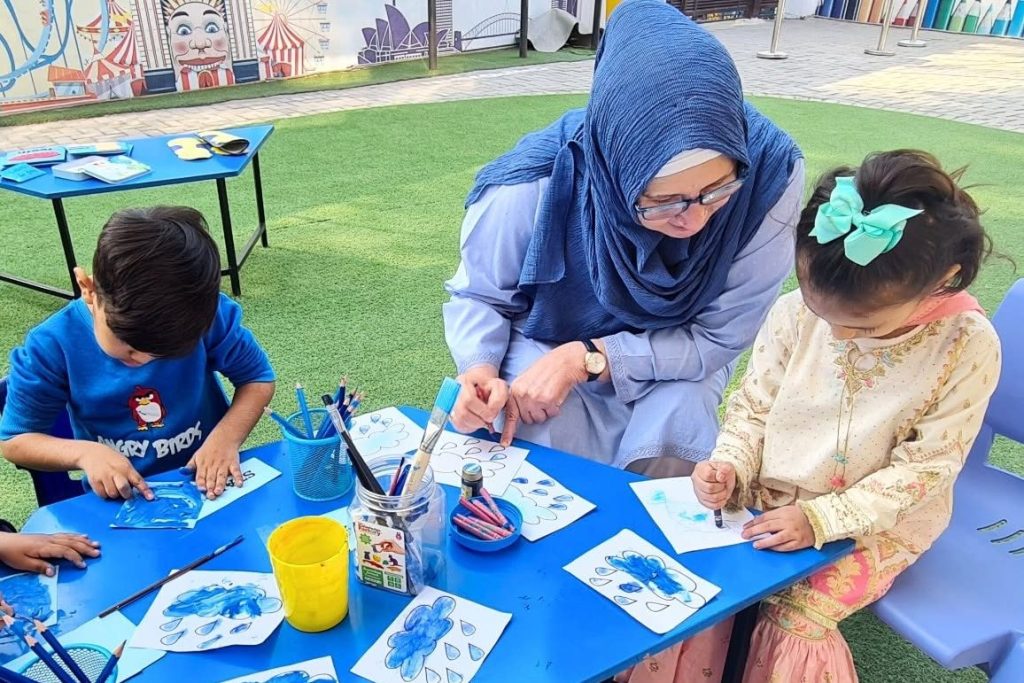
1. They Enjoy Being Around Other Children:
Between 18 and 24 months, many children begin engaging in parallel play—playing alongside other children rather than independently. This is an important developmental milestone that signals growing social awareness and readiness for group settings. If your child enjoys watching other children, imitates their actions, or starts making simple attempts to interact with them, they may be ready to thrive in a pre-school learning environment.
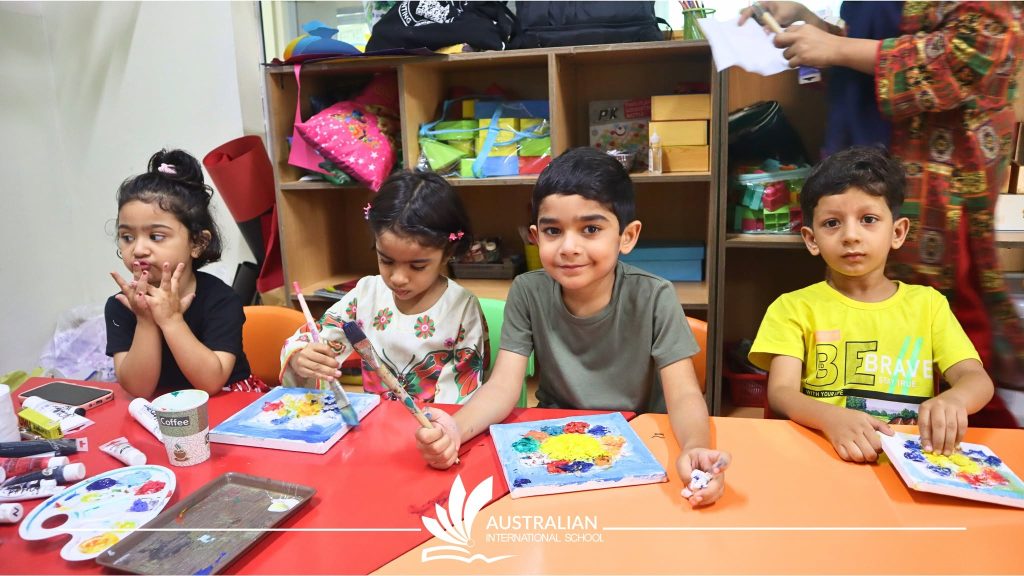
2. They Can Spend Short Periods Away from You:
A strong parent-child bond doesn’t mean your child needs to be by your side all the time. Children who feel secure with their caregivers are generally more comfortable with short separations and can explore their surroundings with confidence. If your child is able to stay engaged in an activity or happily interact with a trusted adult while you’re away for a little while, it’s a positive sign they’re emotionally ready for the transition into a pre-school setting.
Separation Anxiety:
It’s perfectly normal for children to take a little time to settle into a new environment. At AIS, our teachers work closely with families to ensure each child transitions at their own pace, helping them feel safe, secure, and confident from the very beginning.
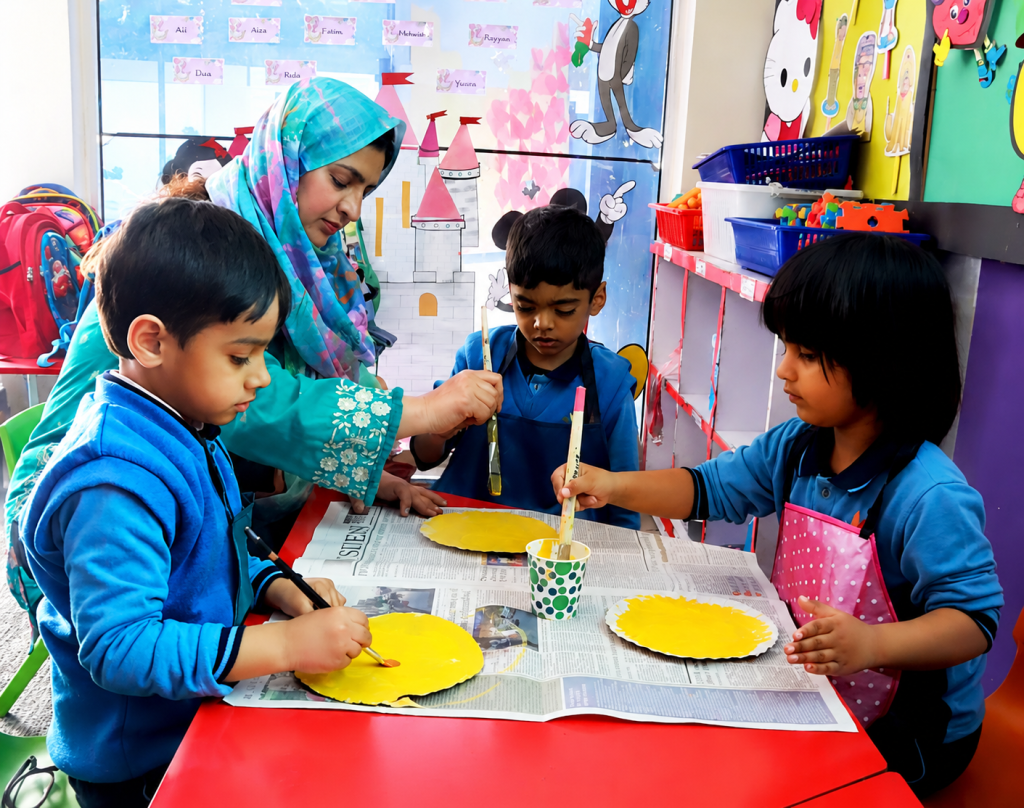
3. They Can Communicate Their Feelings and Needs
Your child doesn’t need to speak in full sentences to be ready for pre-school. What matters most is that they can communicate their basic needs and emotions, whether through simple words, gestures, or pointing. If your child can express things like “more,” “help,” “no,” or indicate when they want something, they are developing the communication skills needed to interact confidently in a group setting. If your child can communicate when they need help or indicate toilet needs, it can make the transition into a playgroup setting smoother.
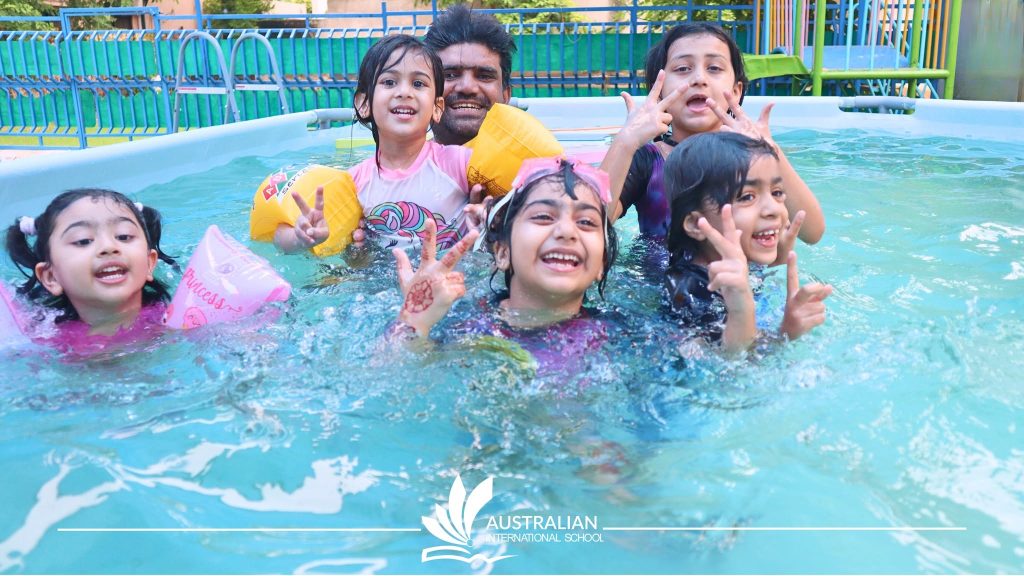
4. They’re Becoming More Independent
As toddlers grow, they naturally begin wanting to do things on their own—whether it’s saying, “I can do it!” or insisting on trying everyday tasks themselves. This growing sense of independence is a healthy sign of cognitive and emotional development. If your child enjoys attempting simple self-care activities, such as putting on their shoes, feeding themselves, or washing hands, they may be ready for a playgroup that encourages and nurtures these skills. The best preschool support children’s independence at their own pace, building on their natural curiosity and willingness to learn.
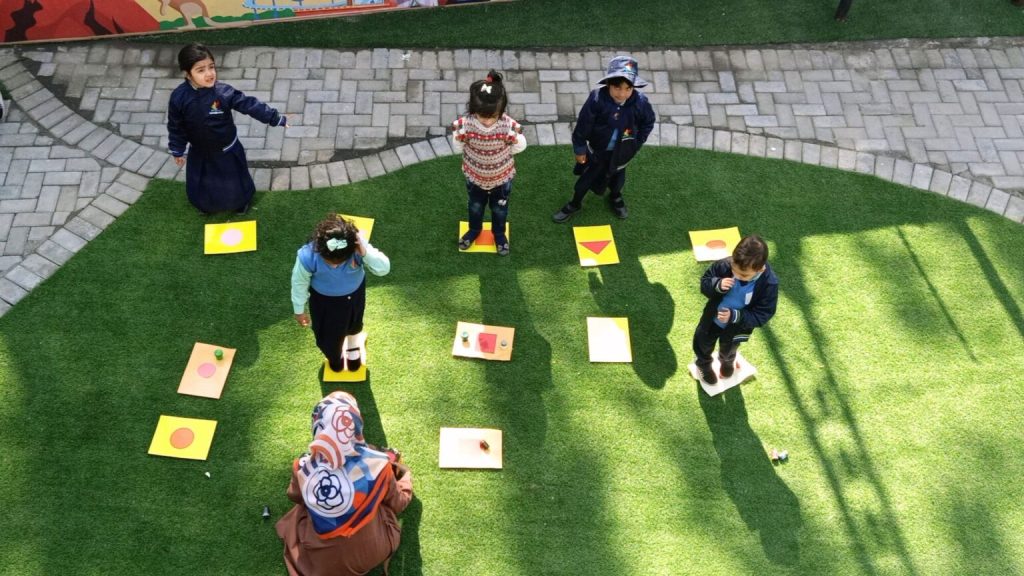
5. They Can Stay Engaged in Activities
Both the Reggio Emilia and Maria Montessori approaches recognize that children learn best when they are deeply engaged in activities that spark their inquiry and curiosity. If your child can stay focused on a self-chosen activity—such as building with blocks, painting, exploring nature, or completing a simple puzzle—for 5–10 minutes, it is a strong sign they are ready to benefit from a pre-school learning environment. Similar principles are reflected in inquiry-based learning at AIS, where children explore, question, and learn through meaningful experiences
This isn’t about expecting children to sit quietly at a desk. Instead, it’s about their ability to concentrate on meaningful, hands-on experiences, whether they are exploring independently or participating in activities guided by a teacher. A quality preschool nurtures this natural focus, encouraging children to learn through play, discovery, and purposeful exploration.
The Australian International School Difference
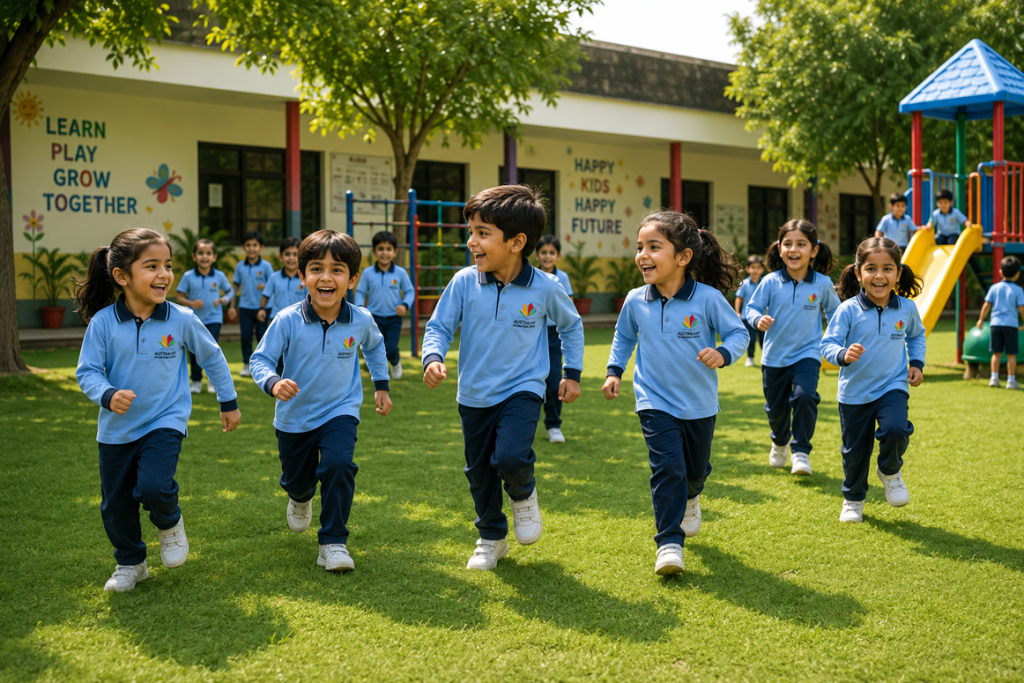
While these readiness signs are important, Australian International School (AIS) offers something truly special—an environment where children have the Inquiry based learning, freedom to learn, explore, and grow through meaningful experiences. Rather than being limited by four classroom walls, children enjoy open spaces that encourage movement, creativity, and discovery.
At AIS, we believe childhood is meant to be active and full of wonder. Our expansive outdoor learning spaces allow children to run, climb, balance, explore, and develop confidence through hands-on experiences. They are encouraged to ask questions, solve problems, and connect with the world around them in ways that nurture both their minds and bodies. For example,
- gardening
- sand play
- water exploration
- storytelling outdoors
- sensory activities
Instead of measuring readiness by a child’s ability to sit still or follow routines alone, we value their natural curiosity, imagination, and eagerness to explore. Whether they are engaging in nature-inspired activities, creative play, or collaborative learning, every experience is designed to support their social, emotional, physical, and cognitive development.
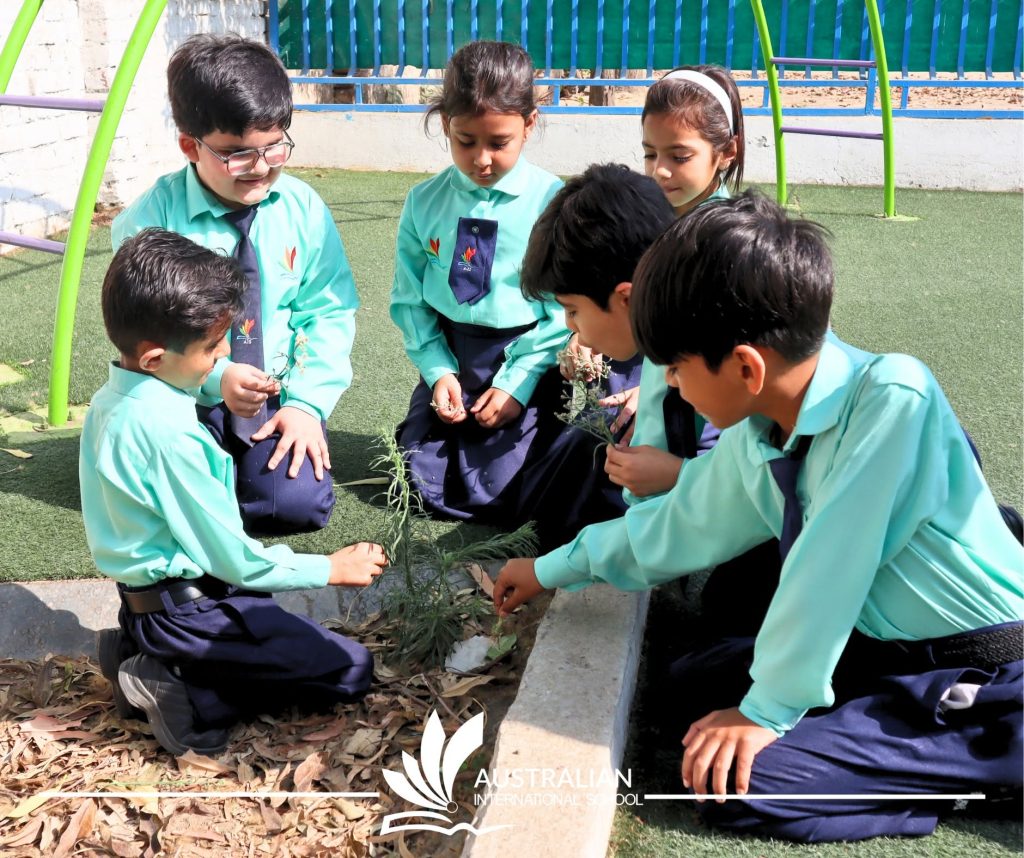
At Australian International School, children enjoy the best of both worlds—a structured, nurturing preschool environment combined with rich outdoor learning opportunities that inspire confidence, independence, and a lifelong love of learning. Here, every child is encouraged to discover, create, and simply enjoy being a child. Our preschool combines inquiry-based learning, outdoor exploration, and personalized care to help every child develop confidence, independence, creativity, and a lifelong love of learning.
“Every child deserves a place where curiosity is celebrated, confidence is nurtured, and learning begins with joy.”