
Beyond Books: How Co-Curricular Activities Help Children Grow
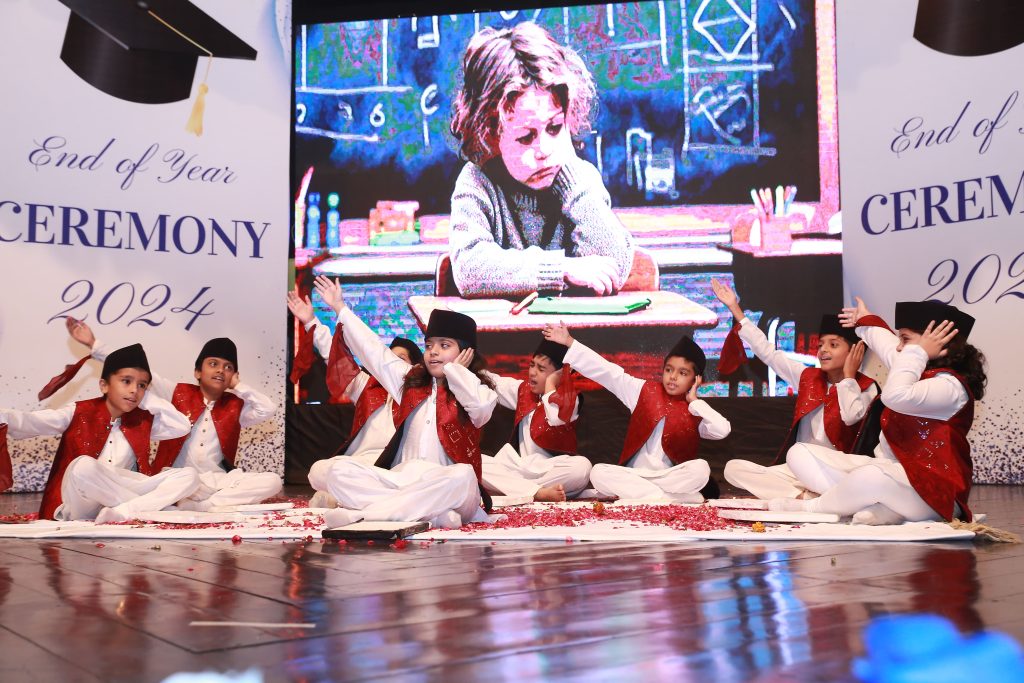
Imagine a child who is quiet in class but comes alive during a role play. Another child may not enjoy long written tasks, but confidently leads a group activity. Some children discover their voice on stage, while others find discipline on the sports field.
This is why school life should never be limited to textbooks only.
At Australian International School Lahore, we believe that real education is about developing the whole child. Academic learning is important, but children also need confidence, creativity, teamwork, communication skills, and emotional strength.
This is where co-curricular activities play a very important role.
What Are Co-Curricular Activities?
Co-curricular activities are school activities that support classroom learning and help children grow in different areas
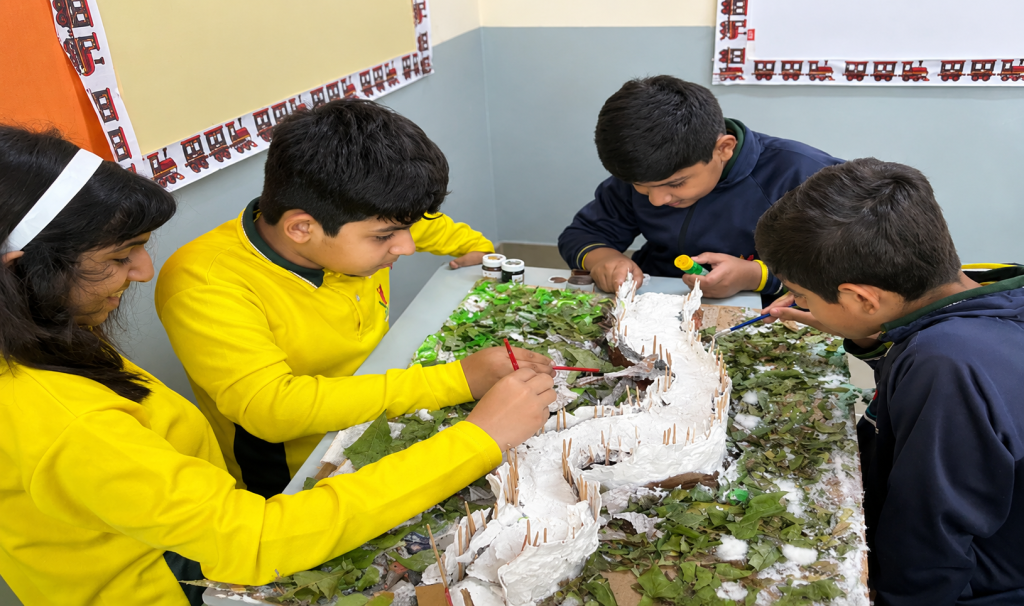
These may include sports, debates, speeches, art, music, drama, school assemblies, science projects, field trips, competitions, clubs, and group activities.
They are not just “extra” activities. They are a meaningful part of a child’s development.
Through these activities, children learn how to express themselves, work with others, take responsibility, and discover their own strengths.
Confidence Begins with Participation
Many children need the right opportunity to show what they can do.
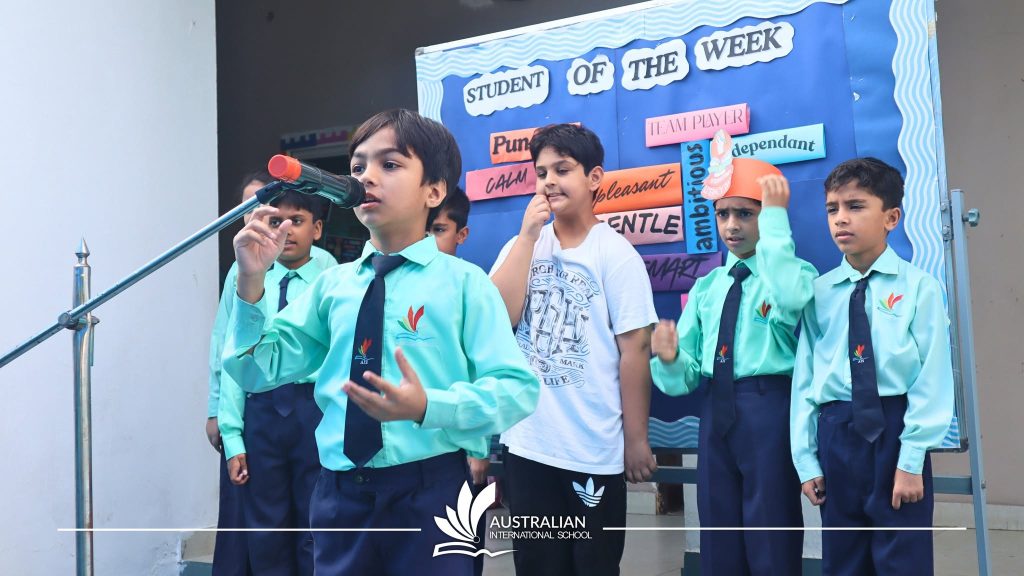
Some students may hesitate to speak during regular lessons. But when they are given a role in an assembly, a group task, or a
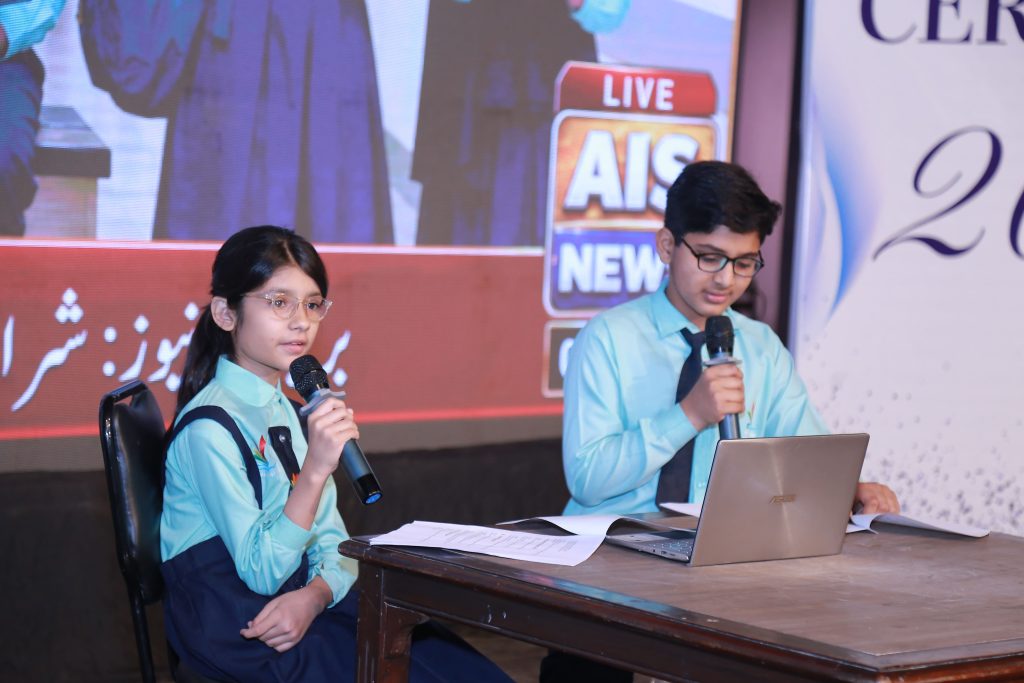
presentation, they slowly begin to build confidence.
Confidence does not develop overnight. It grows through small chances to participate.
A child who first speaks one line on stage may later become comfortable presenting in front of the whole class. A student who once avoided group work may begin to share ideas with confidence.
These small steps matter a lot in a child’s growth.
Communication Skills for Life
Good communication is not only needed for exams. It is needed in everyday life.
Children should learn how to speak clearly, listen carefully, ask questions, and share their ideas respectfully.
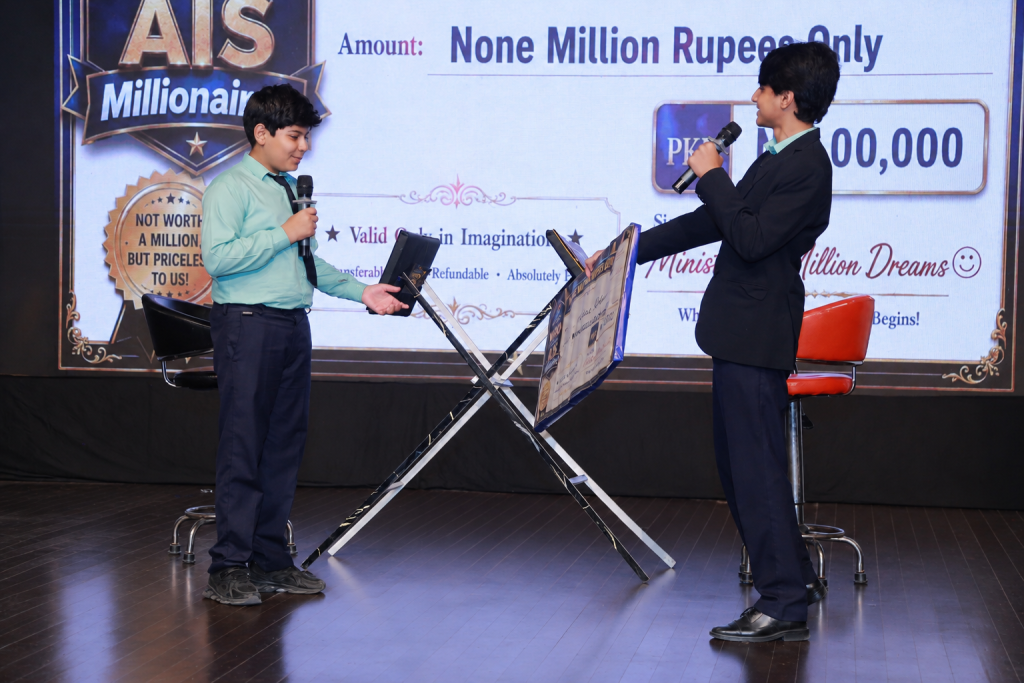
Activities such as debates, storytelling, speeches, presentations, and drama help students improve these skills naturally.
In a classroom, children learn language. Through activities, they learn how to use language with confidence.
This is especially important in a modern learning environment where children are expected to express ideas, solve problems, and interact with others.
Learning Teamwork and Cooperation
In real life, children will not always work alone. They will need to work with classmates, friends, teachers, and later with colleagues.
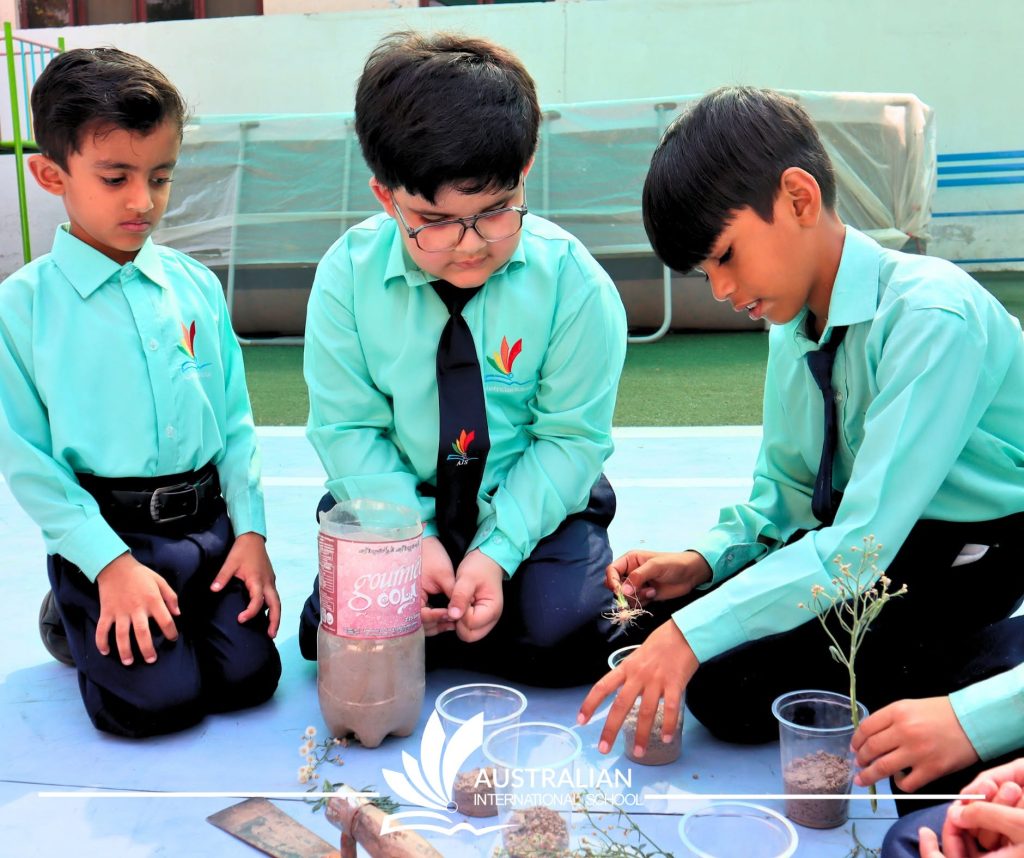
Co-curricular activities teach this from an early age.
During sports, group projects, house activities, and class tasks, children learn how to share responsibility. They learn how to wait for their turn, respect others’ opinions, and support their team.
They also learn that teamwork is not always easy. Sometimes they have to adjust, listen, compromise, and try again.
Discovering Hidden Talents
Every child has talent, but not every child shows it in the same way.
Some children are strong speakers. Some are creative artists. Some are natural leaders. Some are good at sports. Others may be excellent problem-solvers.
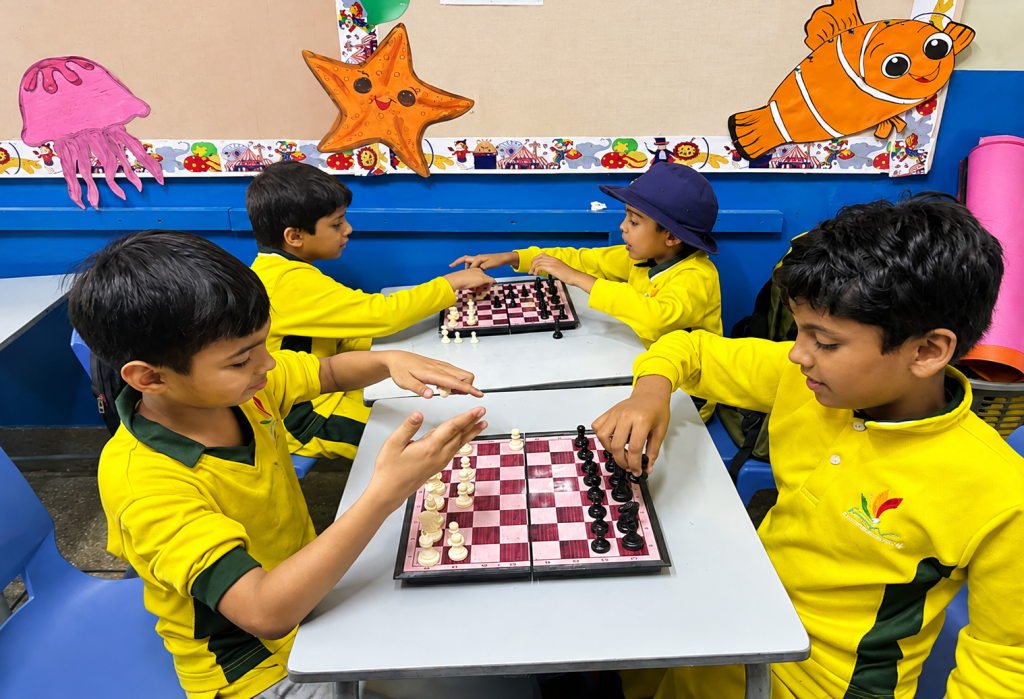
Co-curricular activities give children a platform to discover these abilities. A child who is average in written work may shine in a science project. A quiet student may perform beautifully in drama. A child who struggles to speak in class may show leadership during a group activity.
This is why schools must provide different opportunities. When children are exposed to different activities, their hidden talents become more visible.
Emotional Growth and Resilience
Children also need to learn how to handle emotions. Winning a competition feels wonderful, but losing also teaches an important lesson. It teaches patience, resilience, and courage.
A sports match teaches children how to try again after failure. A stage performance teaches them how to face nervousness. A group activity teaches them how to manage differences.
These experiences help children become emotionally stronger. They begin to understand that success is not only about coming first. It is also about effort, improvement, discipline, and courage.
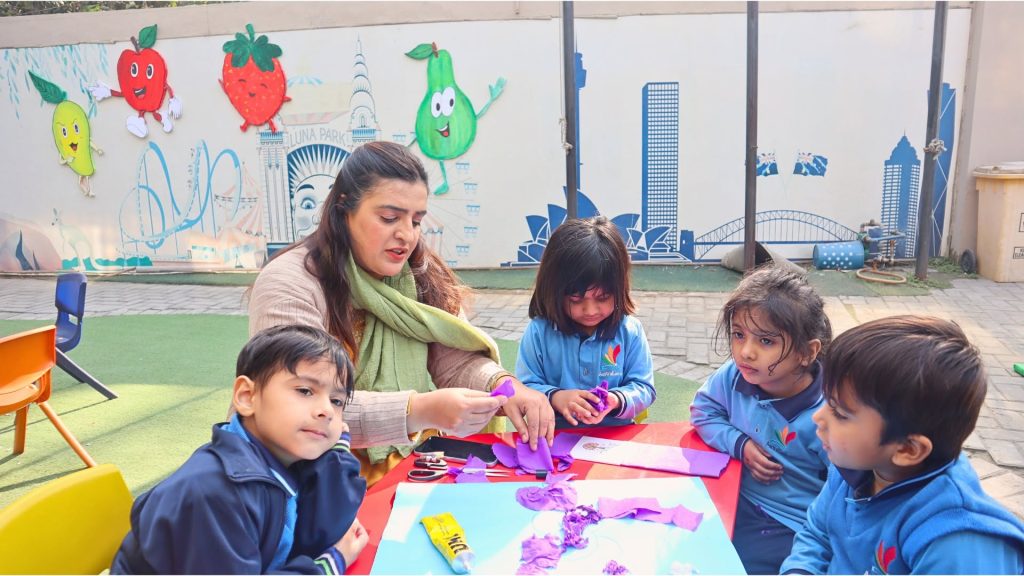
Activities Make Learning More Meaningful
Many parents think co-curricular activities take time away from studies. In reality, good activities support academic learning.
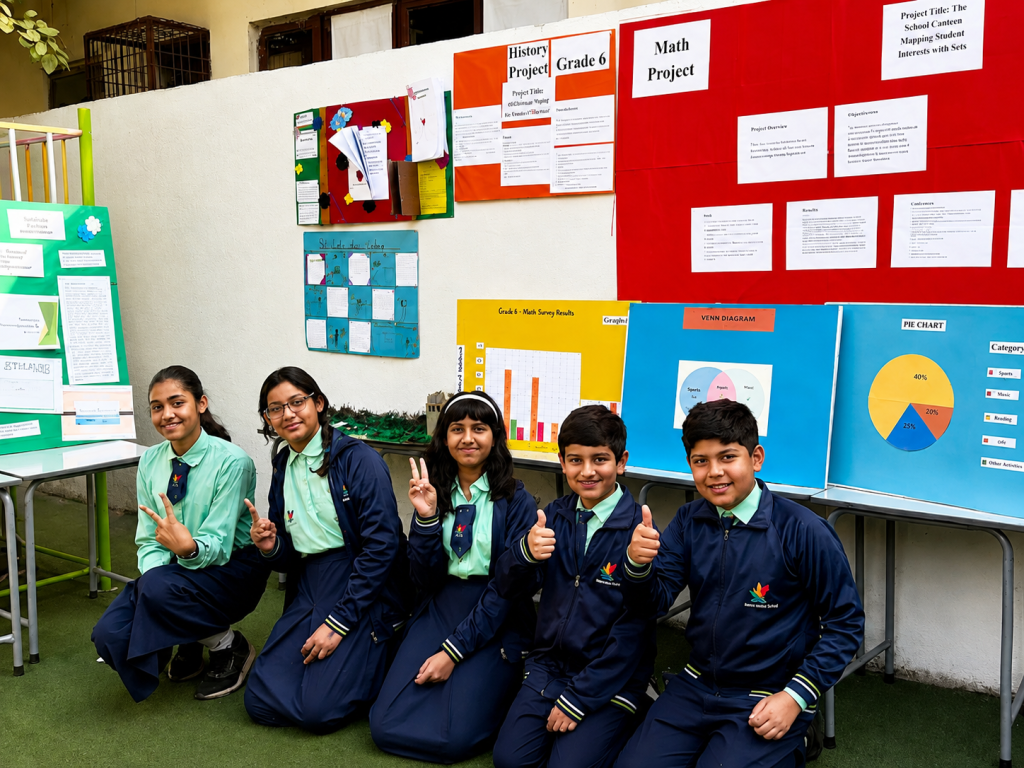
A science exhibition improves research and presentation skills. A debate builds critical thinking. A field trip connects lessons with the real world. A reading competition improves vocabulary and confidence.
Children remember more when they are actively involved.
This is why inquiry-based learning and activity-based education are important parts of holistic education. Children learn better when they explore, question, create, and participate.
Building Leadership and Responsibility
Leadership does not start only in adulthood. It starts with small responsibilities in school.
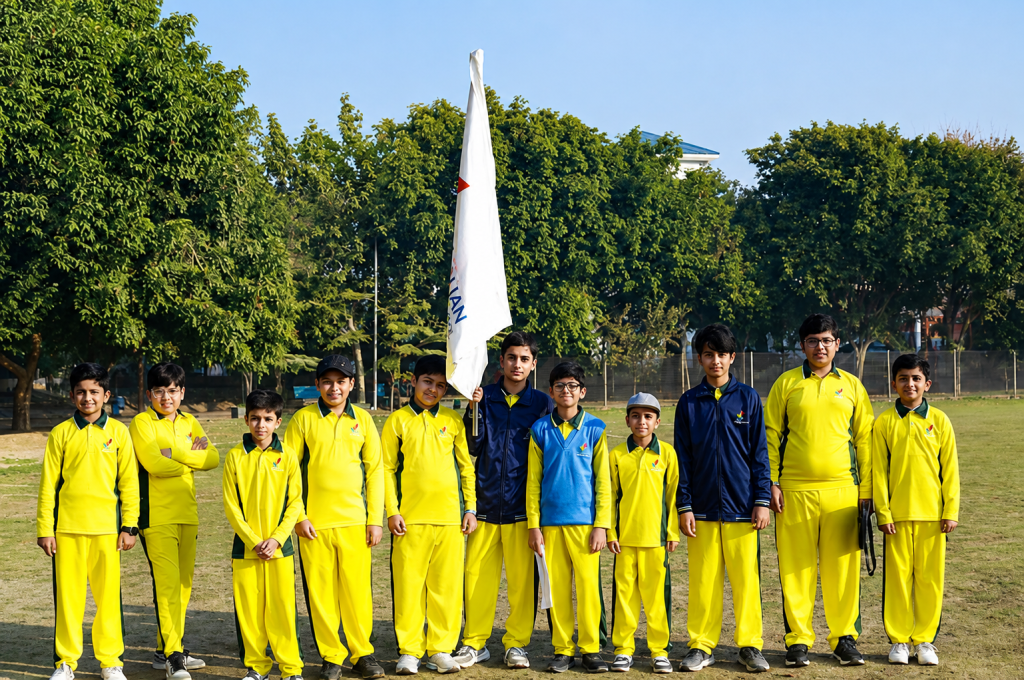
When a child leads a group, helps organise an activity, represents the class, or takes part in a school event, they learn responsibility. They learn how to manage time, make decisions, follow instructions, and complete tasks.
These are life skills. They cannot be fully taught through books. Children develop them by doing.
A Happier School Experience
Children enjoy school more when they feel involved. Co-curricular activities bring energy, creativity, and excitement into school life. They help children feel connected to their classmates, teachers, and school community. A happy child learns better.
When students look forward to school, they become more active, more confident, and more motivated to participate.
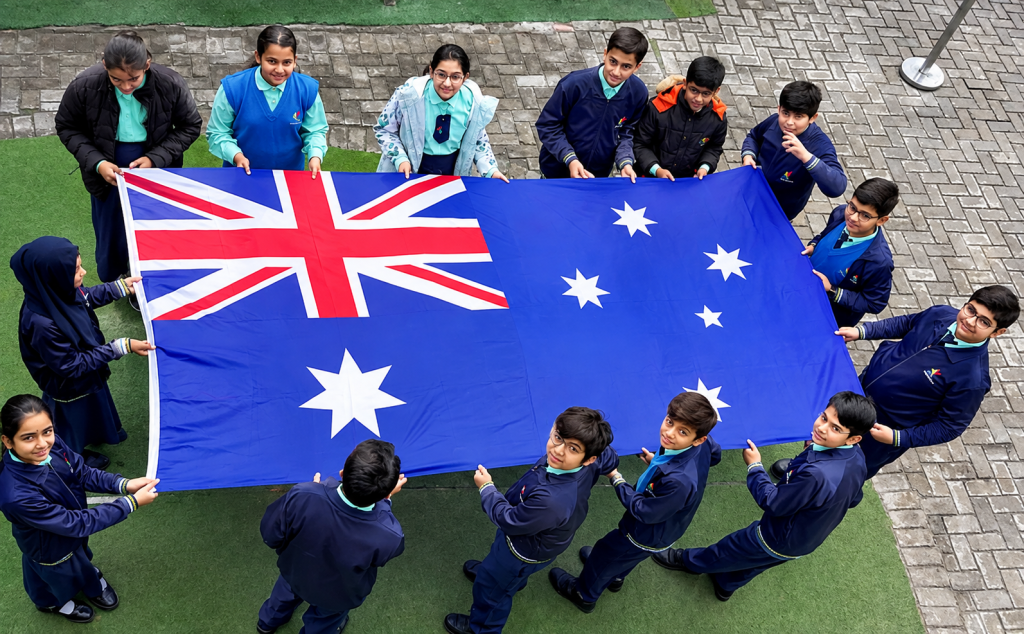
At Australian International School Lahore, we aim to create a balanced learning environment where children are encouraged both inside and outside the classroom.
Why Parents Should Value Co-Curricular Activities
When parents choose a school, they naturally look at academics. But a good school should also help children grow as complete individuals.
Co-curricular activities help children:
- Develop confidence
- Improve communication skills
- Learn teamwork
- Build leadership qualities
- Discover hidden talents
- Become emotionally stronger
- Enjoy learning more
This is the real meaning of holistic education.
Children need strong academics, but they also need confidence, creativity, kindness, discipline, and courage.
Conclusion
Co-curricular activities are not separate from education. They are an important part of a child’s learning journey.
They help children speak, think, create, lead, cooperate, and grow.
At Australian International School Lahore, we believe every child should have the chance to shine in more than one way. Some children shine in books, some on stage, some in sports, and some through creativity or leadership.
A good school helps children discover all these possibilities, because a child’s development is not measured only by marks. It is also seen in their confidence, character, creativity, and ability to face the world with belief in themselves.