Small Classes, Big Impact:
Why a Low Student-Teacher Ratio Matters for Every Child
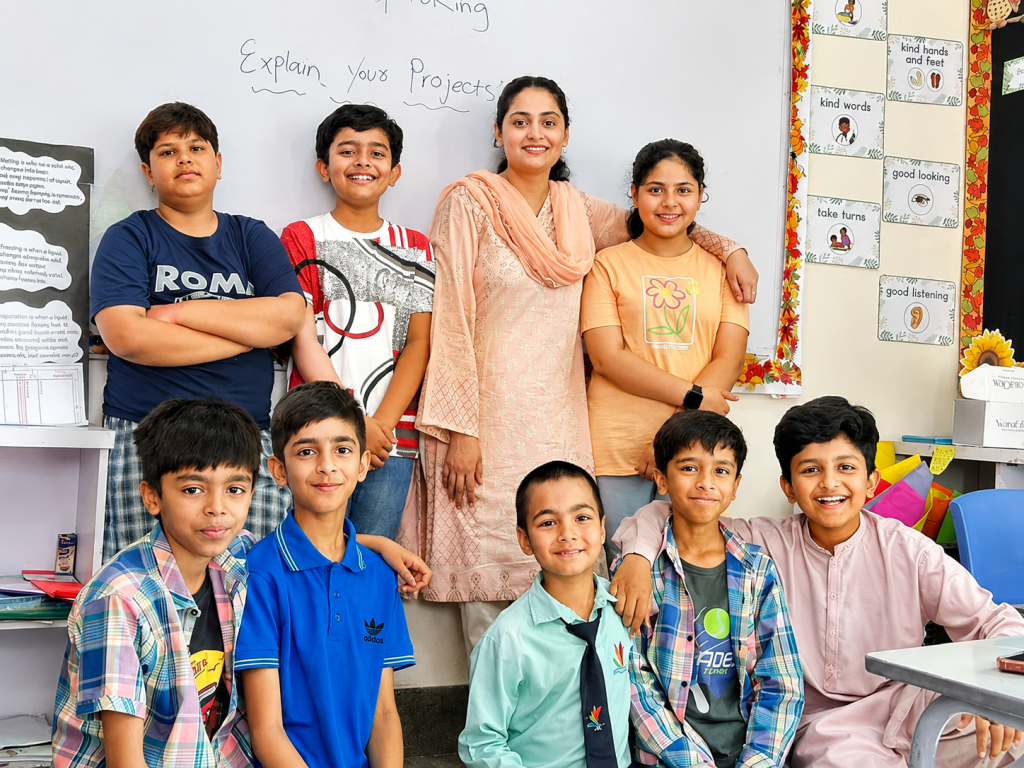
Imagine your child sitting in a classroom of 35 students. Would the teacher notice if they were struggling quietly – or even excelling quietly? Now imagine a classroom where the teacher knows every child’s strengths, challenges, and learning style. That difference begins with class size.
Every child learns differently. Some children are confident speakers, while others express themselves better through written work. Some quickly raise their hands in class, while others need time, encouragement, and close teacher support before they feel comfortable sharing their thoughts.
At Australian International School Lahore, we believe education is about much more than completing the syllabus. It is about understanding every child, recognising their strengths, supporting them through their challenges, and helping them grow with confidence.
One way we make this possible is through our student-teacher ratio of 1:15 – one teacher for every fifteen students.
A smaller class does not simply mean fewer students in a room. It means more meaningful interaction, more individual attention, better classroom participation, and stronger teacher-student relationships.
What Is a Student-Teacher Ratio?
Student-teacher ratio refers to the number of students assigned to one teacher. In simple words, it shows how much access a child has to teacher attention during the school day.
At Australian International School Lahore, our 1:15 ratio allows teachers to give focused attention to each child. For parents looking for a primary school in Lahore, this is an important part of choosing the right learning environment.
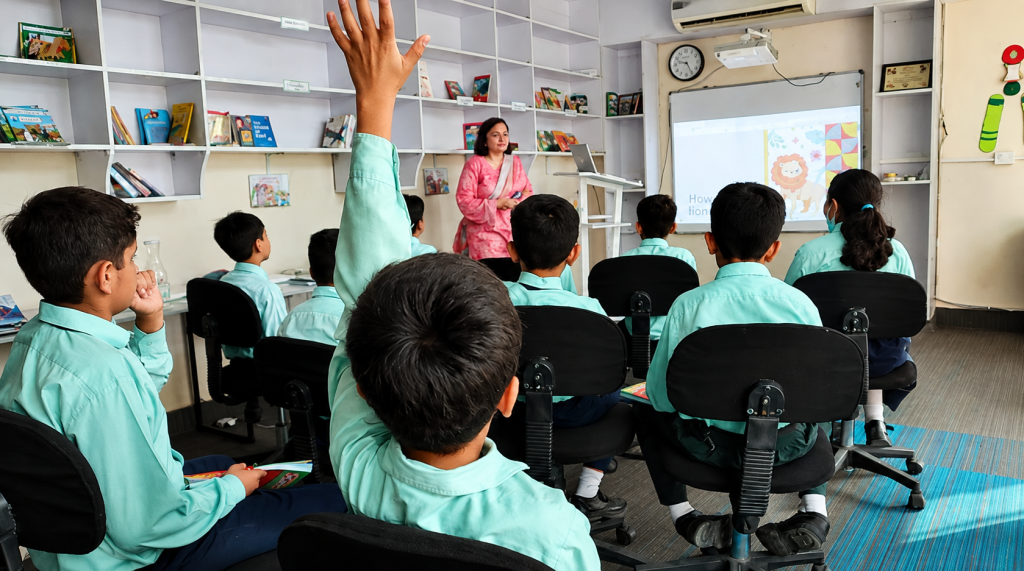
In a large classroom, it can be difficult for a teacher to identify every student’s learning needs. Some children may remain quiet even when they do not understand a concept.
Others may have hidden talents that do not become visible because they do not get enough opportunities to participate. In a smaller class, teachers can observe students more closely and provide the right support at the right time.
Research also supports what teachers see in the classroom every day. Tennessee’s Project STAR, a four-year study of more than 6,000 early-years students, compared small classes of 13-17 students with regular classes of 22-26 students. The study found that students in smaller classes improved more than students in larger classes, and the gains were maintained through Grade 3. This reinforces the importance of small class sizes and close teacher interaction.
Every Child Gets Individual Attention
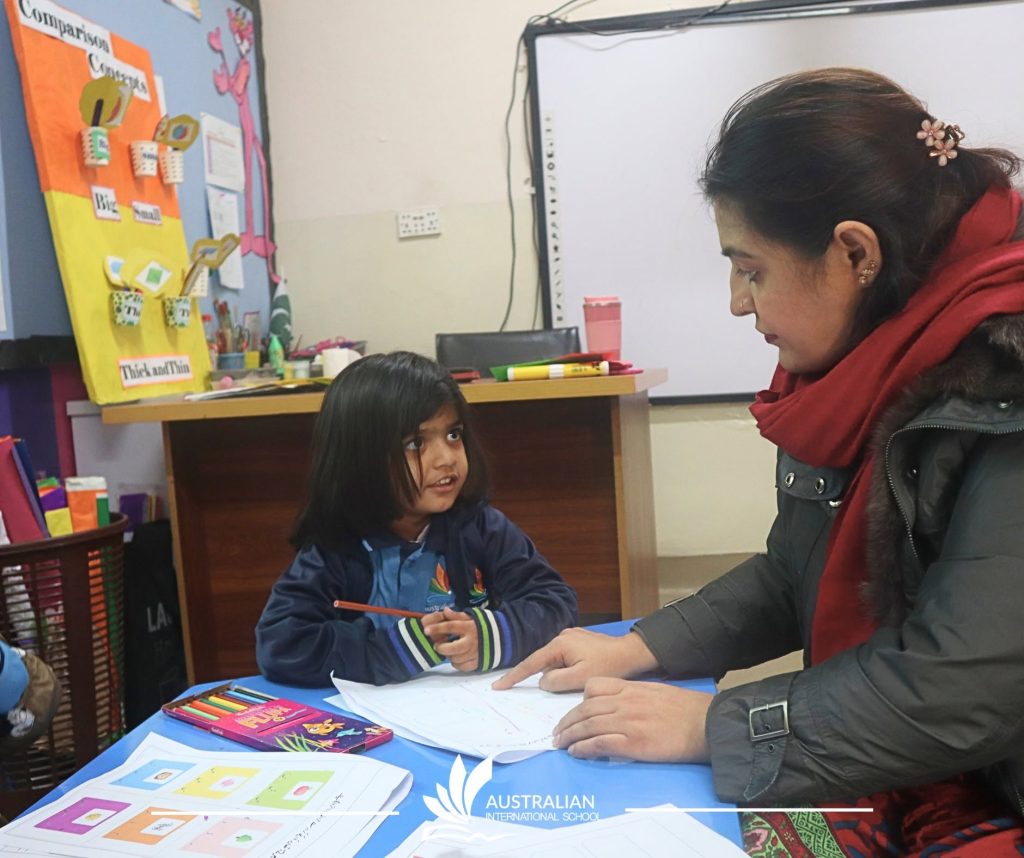
One of the greatest benefits of smaller classes is individual attention. Teachers can understand how each child learns best. They can notice who needs extra explanation, who needs encouragement to speak, who needs more challenging work, and who needs help with confidence. This kind of attention can make a powerful difference.
In my Grade 4 class, I once had a student who was very good at written work but struggled with class participation. He demonstrated a strong understanding of the concepts, and his written responses were thoughtful. However, when it came to speaking in front of the class, answering questions, or joining discussions, he would hesitate.
Because of the smaller class size, I was able to focus on him individually. I encouraged him during class activities, gave him small speaking opportunities, and involved him gradually in discussions.
Over time, his confidence started to grow. He began participating more actively in class and later even took part in a speech competition.
This progress did not happen overnight. It happened because he received continuous support, encouragement, and personal attention. In a crowded classroom, such a quiet learner might easily go unnoticed. But in a personalised classroom environment, a teacher can identify potential and help bring it forward.
Confidence Grows Through Participation
Children do not become confident only by listening to lessons. They become confident when they are given opportunities to speak, ask questions, share ideas, work in groups, and take part in class activities.
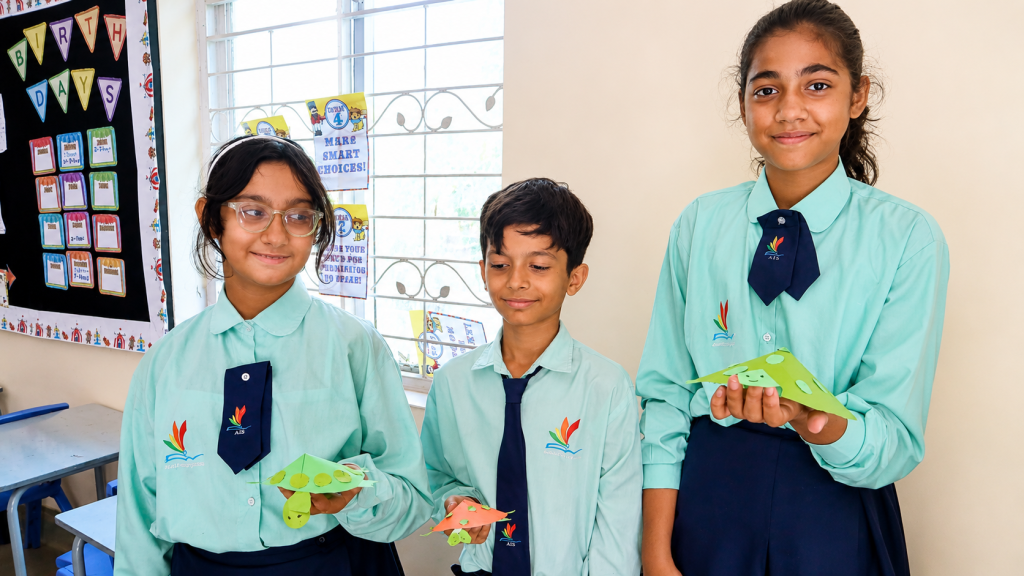
At Australian International School Lahore, we use classroom activities to ensure that every student gets an equal opportunity to participate. Group discussions, presentations, pair work, role-plays, project-based tasks, and questioning techniques help students become active learners rather than passive listeners.
Some children may be good speakers. Some may be creative thinkers. Some may be strong writers. Some may show leadership during group work. When class sizes are smaller, teachers are better able to notice these qualities and help students develop them further.
Personalised Support Improves Learning
A smaller class also allows teachers to provide personalised academic support. Not every child faces the same difficulty.
One student may need help with reading comprehension, while another may struggle with sentence structure, handwriting, spelling, or organisation of ideas.
In another example from my class, there was a girl who faced difficulty in written expression, especially in Social Studies. She understood the concepts during discussion, but when she had to write answers, her sentence structure was weak.
Her ideas were there, but she needed support in expressing them clearly.
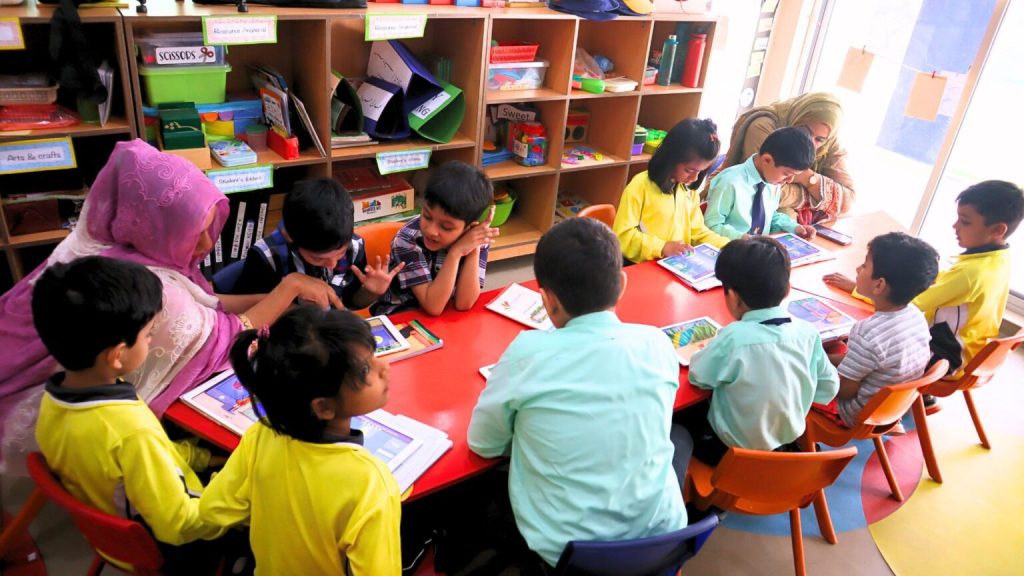
Because of close teacher support, I was able to give her targeted homework activities focused on improving sentence structure. These tasks were not meant to burden her. They were designed according to her specific learning need.
Slowly, she started writing better sentences, organising her thoughts more clearly, and gaining confidence in written work.
This is the real strength of personalised learning. It allows the teacher to support the child exactly where support is needed.
Better Teacher-Student Relationships
Learning improves when children feel comfortable with their teacher. A strong teacher-student relationship creates trust, and trust encourages children to ask questions, make mistakes, and try again.
In a smaller class, teachers know their students better. They understand their personalities, learning habits, strengths, and areas for improvement.
Students also feel more connected to their teacher because they know their teacher has time for them.
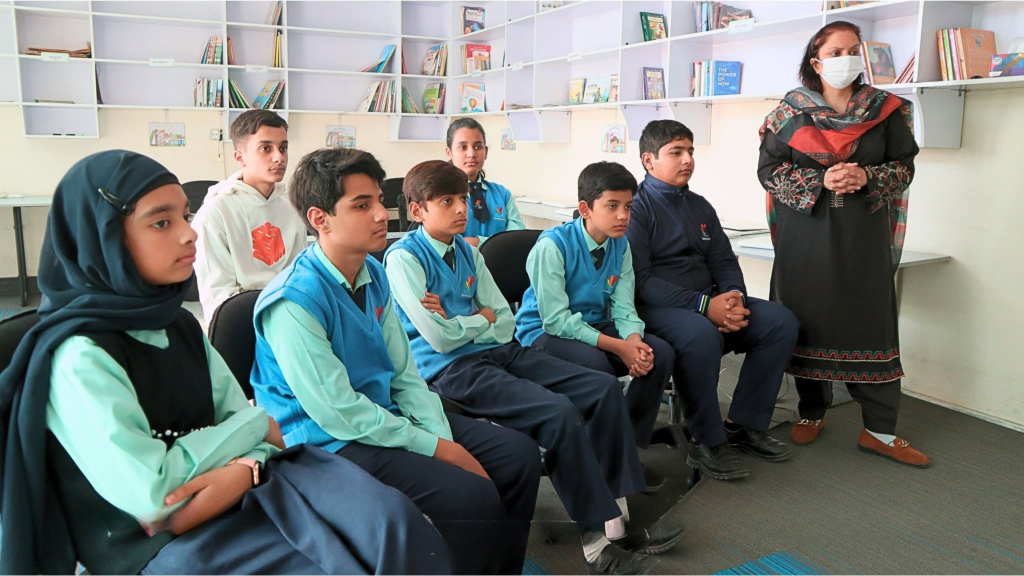
This relationship is especially important in the early and middle years of schooling. Children at this stage are developing academically, socially, and emotionally.
A caring teacher can help them build confidence, responsibility, discipline, and communication skills.
A Classroom Where No Child Is Left Behind
In large classrooms, some students naturally receive more attention than others. Confident students may dominate discussions, while quieter students may remain in the background.
At Australian International School Lahore, our aim is to give every child a voice. Through structured activities, inquiry-based learning, and individual focus, we ensure that students are not judged by one skill only.
A child who is quiet may be a brilliant writer. A child who struggles in writing may be excellent in speaking. A child who is shy today may become tomorrow’s confident presenter.
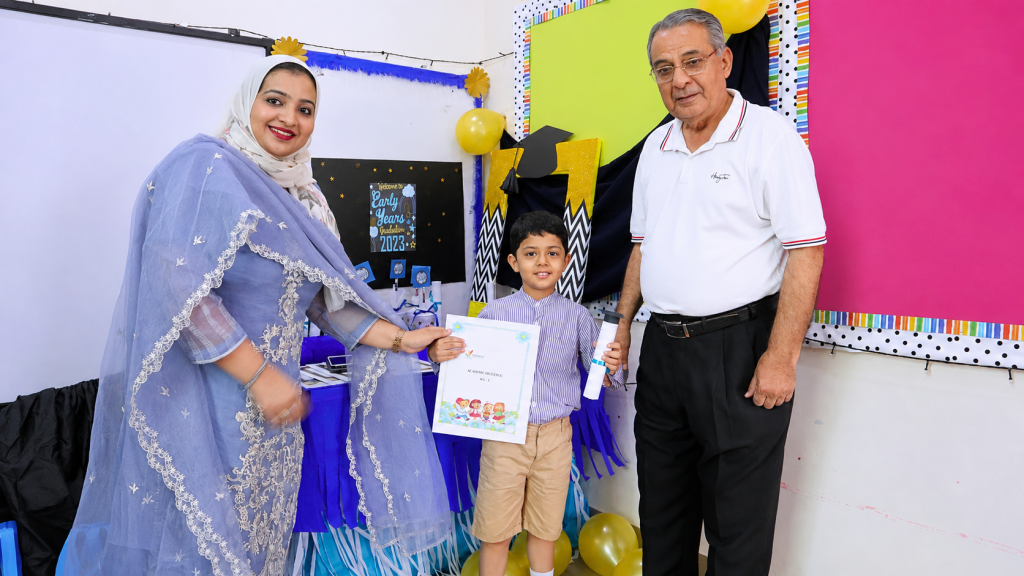
This is why holistic education matters. Children need opportunities to learn, speak, create, question, and grow in different ways.
Why Parents Should Care About Class Size
For parents, class size is an important factor when choosing a school. A beautiful campus, modern facilities, and a strong curriculum are all valuable.
But the daily learning experience of a child depends greatly on how much attention they receive in the classroom.
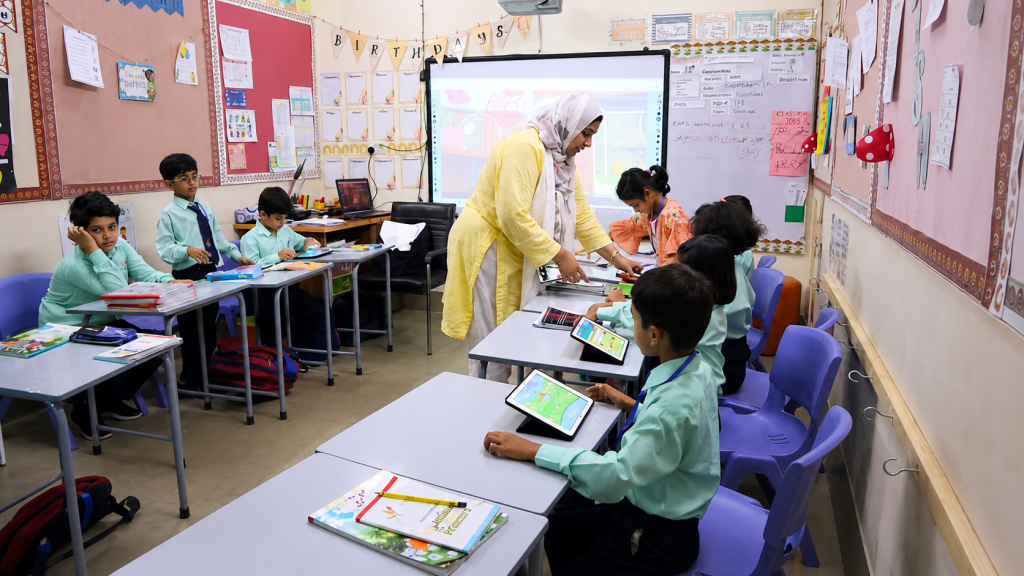
A smaller class means children can:
- Receive more individual guidance
- Participate more actively
- Build confidence and communication skills
- Receive personalised academic support
- Have their strengths recognised early
- Develop stronger relationships with teachers
When children are given the right environment, they do not just learn better; they grow into confident, capable learners.
Conclusion
A student-teacher ratio of 1:15 is not just a number. It reflects a school’s commitment to meaningful learning, personal attention, and child-centred education.
At Australian International School Lahore, this approach helps us focus on every learner as an individual. It allows us to support students academically, encourage them socially, and help them develop confidence in their own abilities. Every child deserves to be noticed.
Every child deserves a chance to participate. Every child deserves guidance that matches their needs.
With smaller classes and dedicated teachers, we can create a learning environment where children feel valued, supported, and ready to reach their full potential.
Because when a child is truly seen, learning becomes more powerful.